
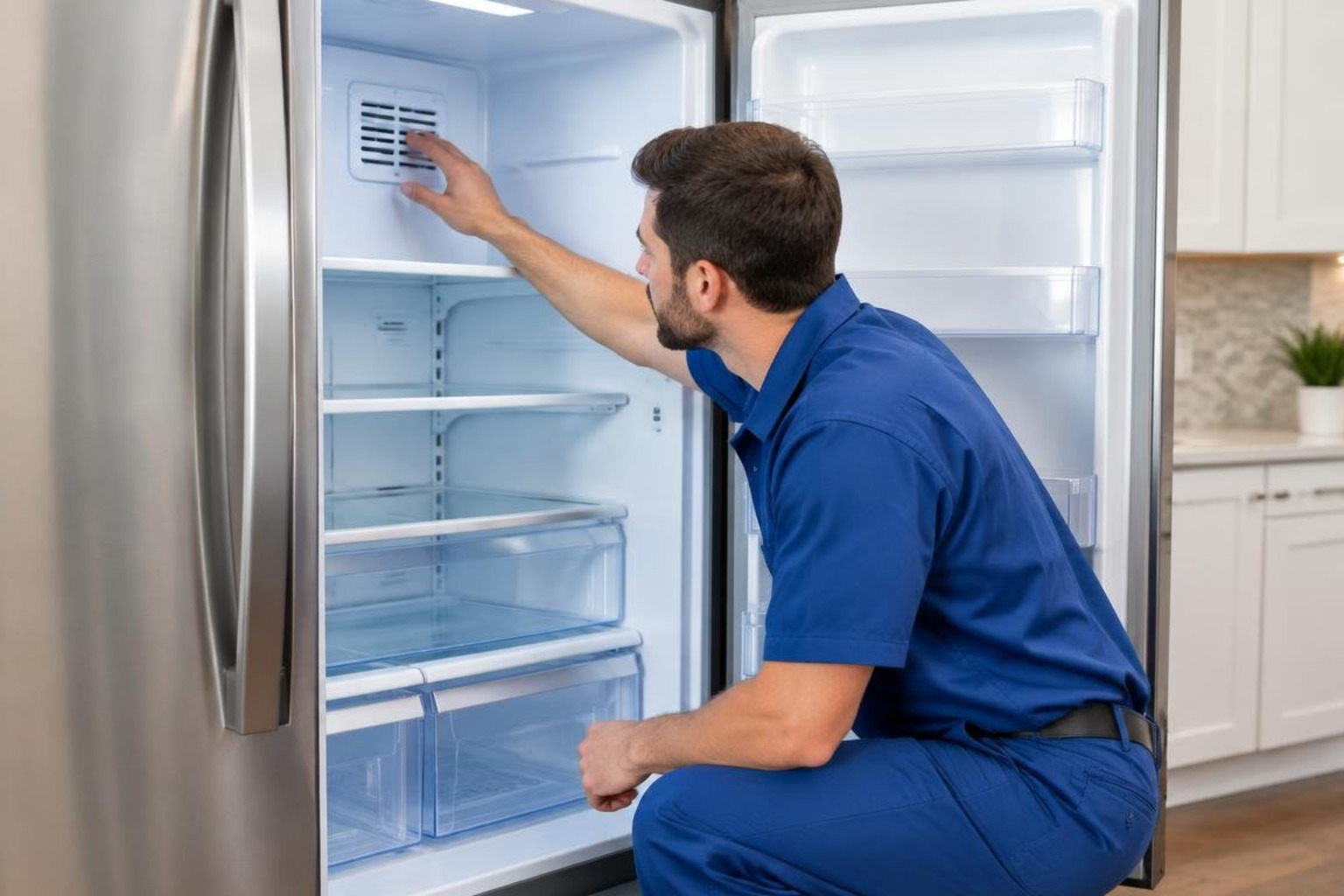
Why Schedule an Annual Fridge Maintenance Service?
Book a fridge maintenance service about once a year to catch small problems before they become costly breakdowns. A technician can check cooling temperatures, clean accessible condenser coils, inspect door seals and fans, and look for leaks or blocked drains. Between visits, keep vents clear, wipe down the door seals, and clean the coils as your owner’s manual recommends.
Don’t wait for your annual visit if food is getting warm, frost is building up, or water is pooling. Those signs call for a repair diagnosis.
I’m Vasyl Turetsky, founder and appliance repair specialist at iFix Appliances. My work with refrigerators and freezers across the Raleigh area shapes the practical fridge maintenance service advice in this guide.
Fridge maintenance service basics:
Key Warning Signs Your Refrigerator Needs Immediate Attention
Your refrigerator is the hardest-working appliance in your home. Unlike an oven or dishwasher that runs on demand, your cooling system runs 24 hours a day, 365 days a year. Because it works constantly, subtle warning signs often appear long before the entire unit shuts down.
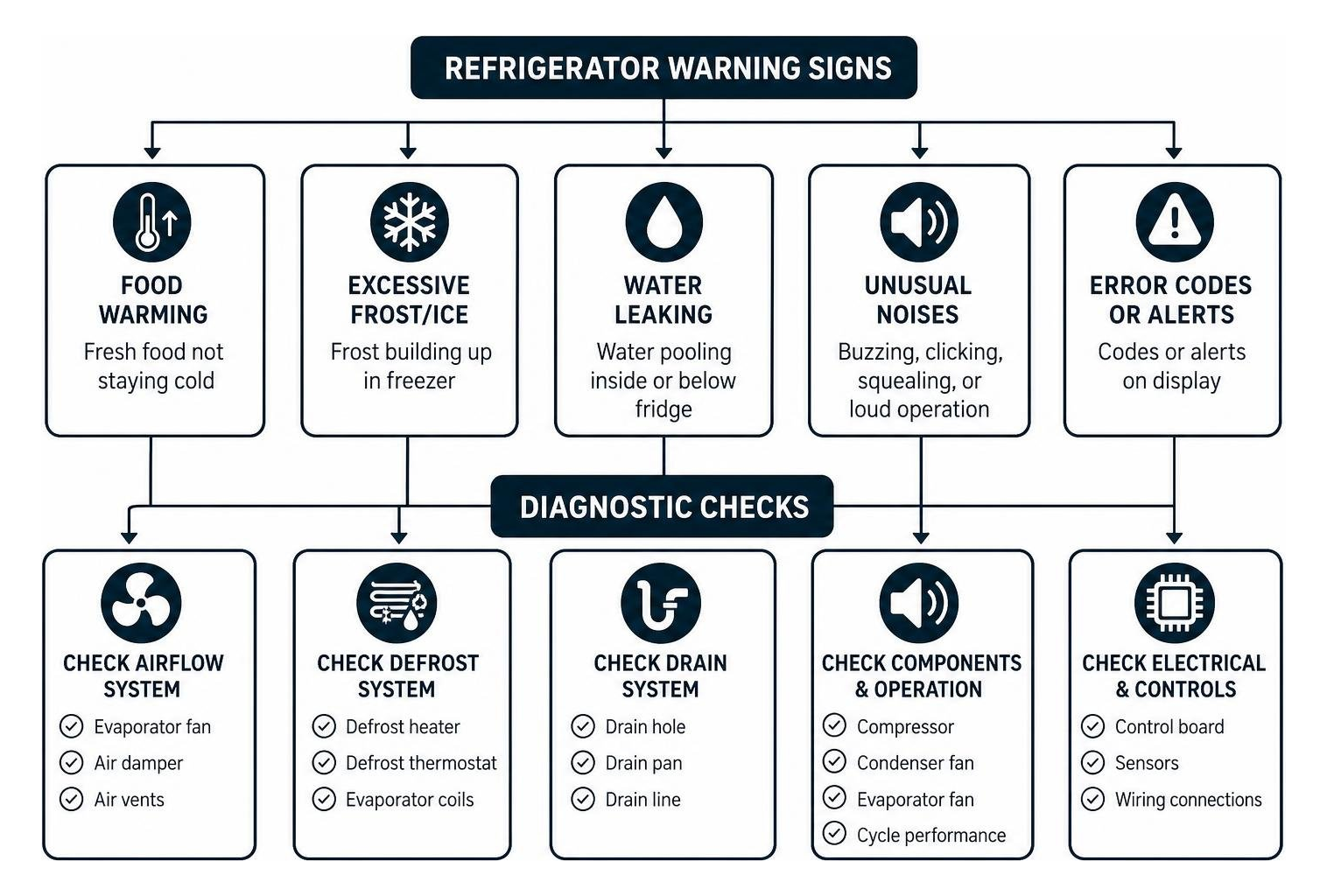
A healthy modern refrigerator operates quietly, maintaining a steady baseline between 35 and 42 decibels—roughly the sound level of a quiet library or a gentle whisper. If you start hearing loud buzzing, clicking every few minutes, or a high-pitched squeal, mechanical stress is underway. Beyond unusual sounds, pay attention to rapid temperature fluctuations, persistent error codes on digital control boards, or a motor that never seems to cycle off.
Airflow Restrictions and Temperature Inconsistencies
The most frequent complaint I hear from homeowners across the Triangle is that the freezer is freezing solid, but the fresh food section is warm. In most cases, this is not a loss of refrigerant. Refrigerator cooling relies on cold air circulating from the evaporator coils inside the freezer compartment up into the fresh food section through a motorized air damper.
When evaporator fans fail, frost smothers the coils due to a faulty defrost heater, or the motorized damper gets stuck closed, fresh air cannot travel. If you are troubleshooting a warm fresh-food compartment, address the issue before your compressor overheats from running continuously to compensate for the warm fresh-food thermistor readings.
Water Leaks and Drainage Complications
Water pooling beneath the crisper drawers or leaking onto hardwood floors is an urgent issue that can quickly cause expensive structural damage. During normal operation, your refrigerator enters an automatic defrost cycle several times a day. Frost on the evaporator coils melts into a small drain trough, flowing down a narrow tube into an evaporation pan beneath the unit.
If food debris, algae, or ice blocks that channel, the meltwater backs up into the cabinet interior. For homeowners struggling with this problem, clearing clogged defrost drain lines quickly restores proper drainage and prevents sheet ice from building up on the freezer floor.
Ice Maker and Water Dispenser Failures
Ice makers rely on precise mechanical timing, water pressure, and low temperatures. If your ice maker halts production, the cause usually traces back to three components:
- A frozen water fill tube restricting incoming flow
- A malfunctioning dual-solenoid water inlet valve
- An internal mechanical failure within the ice harvest module
When freezer temperatures rise above 10°F to 12°F, the ice maker’s internal thermostat will prevent the harvest cycle from initiating. If you notice hollow ice cubes, foul-tasting water, or no ice production at all, restoring ice maker performance through targeted diagnostic checks will identify whether the problem is an electrical fault, water pressure drop, or a frozen supply line.
What Is Included in a Professional Fridge Maintenance Service?
True preventative care goes far beyond wiping down interior plastic shelves. According to standard appliance maintenance definitions, maintenance involves systematic inspection, cleaning, and testing to preserve operational integrity and prevent equipment breakdown.
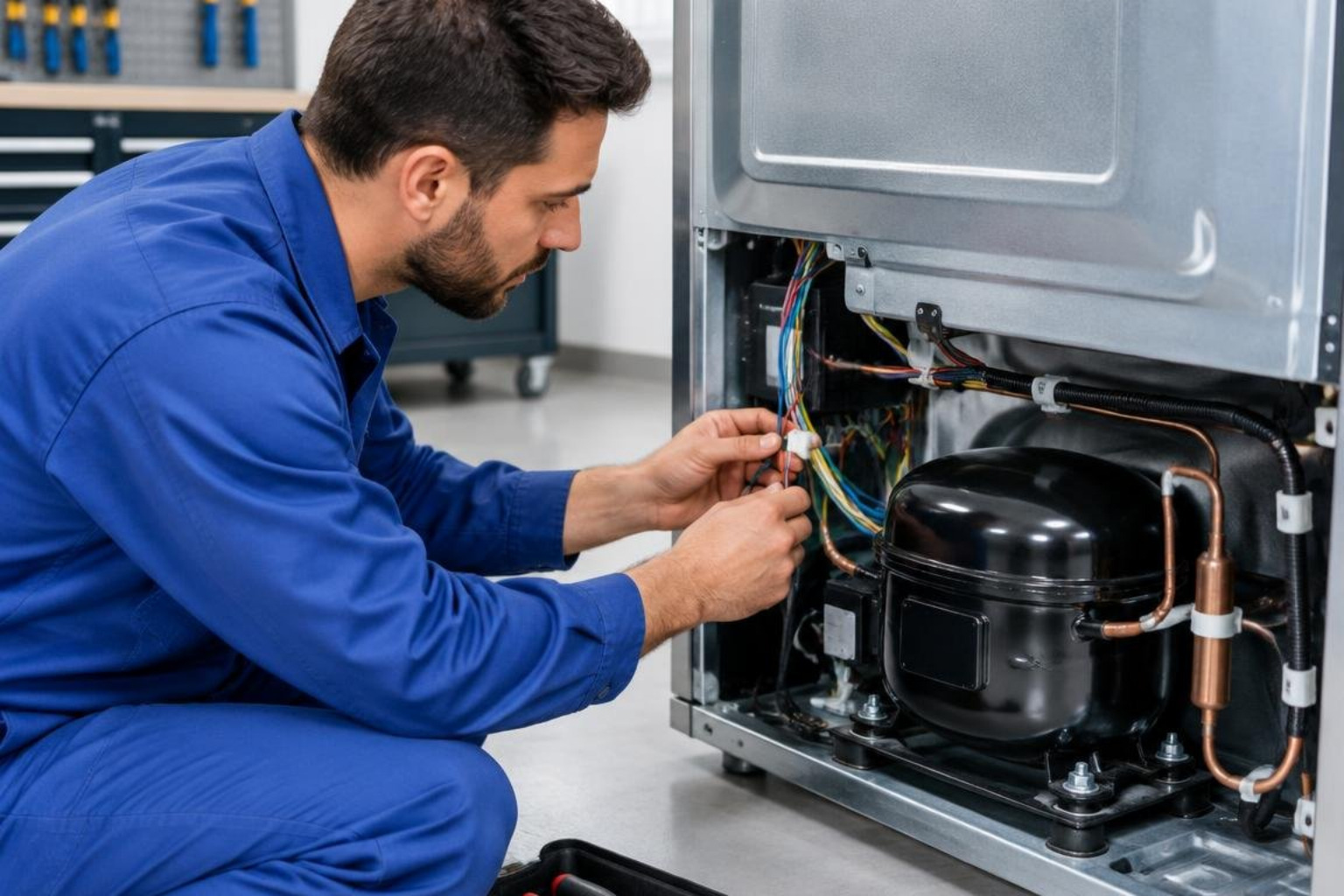
When I perform a comprehensive refrigerator tune-up, I inspect the mechanical, electrical, and thermodynamic systems that keep your appliance running reliably.
Condenser Coil Cleaning and Airflow Optimization
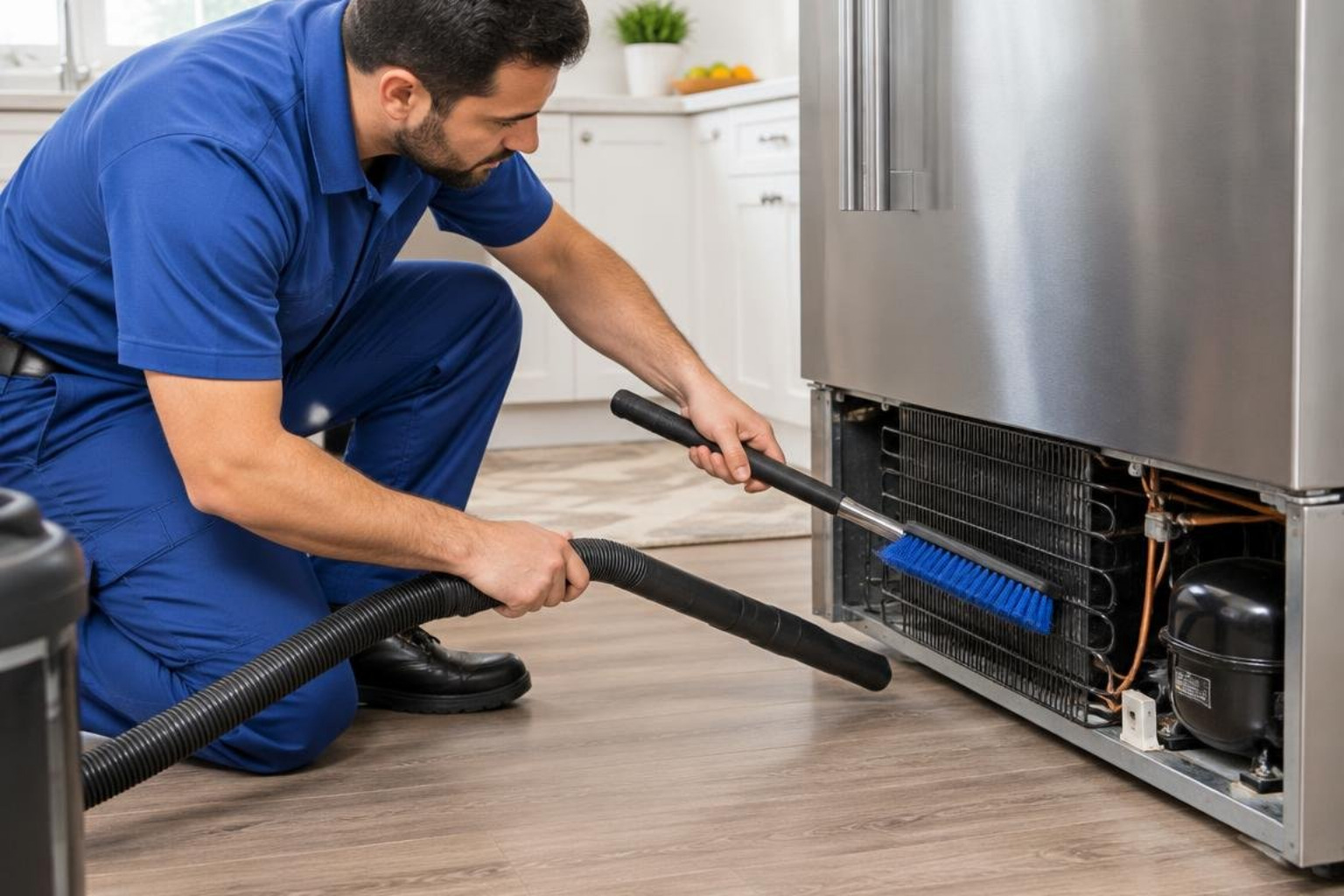
Your refrigerator extracts heat from the interior cabinets and releases it into the surrounding room through the condenser coils. Over 6 to 12 months, pet hair, household dust, and lint coat these coils. When coated in debris, the coils cannot dissipate heat effectively, forcing the compressor to operate at significantly higher discharge pressures and temperatures.
During a maintenance visit, I use specialized long-reach brushes, high-velocity vacuum attachments, and compressed air tools to remove compacted debris from undercounter and rear-mounted condenser assemblies. Clean coils immediately reduce compressor workload, lower your monthly energy consumption, and extend the lifespan of critical sealed-system components.
Diagnostic Testing of Electrical and Mechanical Components
Modern refrigerators rely on complex microprocessors, sensors, and variable-speed fan motors. Preventative maintenance includes testing electrical resistance and operational tolerances using digital multimeters to detect component wear before total failure occurs.
| Component | Normal Operational Value | Failing Component Symptom |
|---|---|---|
| Defrost Heater | 20 to 60 Ohms resistance | 0 Ohms (short) or Infinite (open circuit / heavy frost) |
| Defrost Thermistor | ~2.5k to 10k Ohms (temp dependent) | Erratic resistance causing inaccurate defrost cycles |
| Evaporator Fan Motor | Smooth rotation, correct DC voltage | High-pitched squeal, slow RPM, warm fridge cabinet |
| Compressor Start Relay | 3 to 12 Ohms across run/start pins | Rattling sound when shaken, compressor clicks off rapidly |
| Condenser Fan Motor | Steady airflow across coil assembly | Seized bearings, overheating compressor housing |
Sealed-System Inspection and EPA-Certified Diagnostics
The sealed system contains the compressor, condenser, filter drier, capillary tubes, and evaporator. By federal law under EPA Section 608 regulations, only certified technicians are authorized to tap into, recover, and recharge closed refrigerant circuits.
During maintenance, I visually inspect copper and aluminum factory welds for oil residue, which indicates micro-leaks of refrigerant. I also analyze evaporator frost patterns. A uniform light frost covering the entire coil indicates proper refrigerant charge, while heavy ice balls on the inlet tube or completely dry lower coils point toward sealed-system leaks or internal restrictions. When complex thermodynamic issues arise, relying on advanced sealed-system freezer repair ensures safe, code-compliant diagnostics.
Freestanding vs. Built-In Refrigerator Maintenance Requirements
Not all refrigerators are constructed the same way. The maintenance approach for a standard freestanding French-door unit differs significantly from the care required for high-end integrated appliances found in luxury kitchen appliance specifications.
| Feature / Requirement | Standard Freestanding Refrigerator | Premium Built-In (Sub-Zero, Thermador, Miele) |
|---|---|---|
| Condenser Location | Bottom rear / underneath cabinet base | Top-mounted mechanical bay or dedicated grille |
| Cooling Architecture | Single compressor, shared airflow damper | Dual compressors and independent dual evaporators |
| Unit Weight | 200 to 350 lbs | 500 to 800+ lbs secured to wall framing |
| Cabinet Clearance | Several inches required for air dissipation | Zero-clearance flush installation |
| Recommended Service | Annual coil cleaning and drain check | Bi-annual or annual multi-point factory check |
Specialized Fridge Maintenance Service for Premium Built-In Brands
Premium brands like Sub-Zero, Thermador, and Miele feature dedicated dual-compressor setups—one compressor for the freezer and one for the fresh food compartment. These units require brand-specific diagnostics, specialized vacuum fittings for top-mounted condensers, and careful handling to protect custom integrated cabinet panels during service.
On Sub-Zero 600 and 700 series models, frost accumulation on the back wall of the fresh-food compartment is common after 8 to 12 years of service due to sensor drift or evaporator wear. With dedicated annual maintenance, classic models like the Sub-Zero 690 and 695 side-by-sides routinely remain in service for more than 20 years.
Routine Upkeep for Standard Freestanding and French-Door Models
Standard French-door units from brands like Whirlpool, GE, Samsung, and LG face distinct mechanical challenges. A frequent issue on bottom-freezer French-door units is drain freeze-up, where ice builds under the freezer drawer and freezes the slides. Retrofitting an extended copper drain heater clip during annual maintenance prevents this problem entirely.
Additionally, French-door gaskets require routine inspection. The center mullion rail must seal flat against the opposite door without dragging or catching. If doors sag or latches loosen, routine door handle and latch maintenance restores alignment, preventing warm room air from leaking past the magnetic seals.
Repair vs. Replacement: Making the Cost-Effective Decision
When an appliance begins acting up, homeowners often wonder whether they should repair the unit or buy a new one. In the appliance repair trade, we use the 50 Percent Rule: if a refrigerator is less than halfway through its expected operational lifespan and the total repair cost is less than 50% of the price of a comparable replacement unit, repairing it is the smarter financial choice.
Most residential refrigerator repairs run between $180 and $480 for parts and labor. Here is what typical common repairs look like:
- Defrost drain clog clearing & heater clip retrofit: $140 – $260
- Evaporator fan motor or defrost control replacement: $180 – $340
- Ice maker module or inlet valve repair: $160 – $340
- Start relay or condenser fan motor replacement: $130 – $280
- Bottom-freezer drain freeze repairs on French-door models: $220 – $310
- Compressor, start components, or sealed-system repairs: $250 – $650+
Replacing a quality French-door or built-in refrigerator today often costs between $1,800 and $8,000+. Investing a few hundred dollars to repair a reliable unit avoids premature disposal and saves substantial money.
When to Schedule a Professional Fridge Maintenance Service
You should schedule routine preventative maintenance annually, but you should book an immediate diagnostic service call if you notice any of the following symptoms:
- Interior temperatures climbing above 40°F in the fresh food section
- Thick frost blankets covering the rear interior wall panel
- Clicking sounds every few minutes accompanied by cooling loss
- Water pooling beneath vegetable crisper bins or under the base
- Error codes flashing on the digital temperature panel
If you live in the Triangle area and notice these performance drops, booking skilled local refrigerator repair ensures an experienced technician diagnoses the exact root cause rather than replacing parts by guesswork.
DIY Preventative Steps Homeowners Can Perform Seasonally
Between professional service visits, you can perform several simple tasks to keep your refrigerator operating at peak efficiency:
- Perform the Dollar-Bill Gasket Test: Close the door on a dollar bill. If you can pull the bill out without any resistance, your magnetic door gasket is worn, torn, or misaligned, allowing humid room air into the cabinet. Clean gaskets with warm water and mild soap to maintain their flexibility.
- Replace Internal Water Filters Every 6 Months: Clogged carbon blocks reduce water pressure to the ice maker, leading to undersized cubes and noisy inlet valves.
- Level the Cabinet: Adjust the front leveling legs so the refrigerator tilts slightly backward (about a 1/4-inch tilt from front to rear). This ensures the doors swing shut automatically under their own weight.
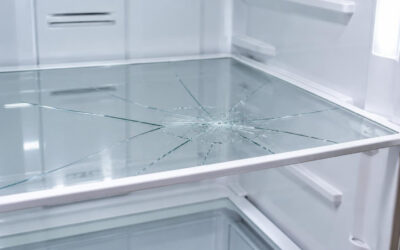
- Care for Interior Shelving: Keep interior air vents unblocked by food containers. When cleaning glass shelves, allow them to reach room temperature before washing with warm water to prevent thermal shock and shattering. For safe removal steps, review this guide on the careful removal and cleaning of glass shelves.
Frequently Asked Questions About Fridge Maintenance
How often should a refrigerator receive professional maintenance?
For most residential households, an annual professional tune-up is ideal. However, if you have multiple long-haired pets, live in an area with high dust, or operate a commercial-grade or built-in luxury unit, scheduling maintenance every 6 months prevents condenser choking and preserves system efficiency.
How do I tell if a cooling issue is a sealed-system failure or an airflow problem?
An airflow issue usually presents as a cold freezer combined with a warm fresh food section, accompanied by a silent evaporator fan or heavy frost across the back freezer panel. A sealed-system failure (such as a refrigerant leak or failing compressor pump) typically results in both compartments warming up simultaneously, with the compressor running continuously without producing heat at the condenser coils. If you are unsure, follow this structured guide for diagnosing a refrigerator that is not cooling.
How much does typical refrigerator maintenance and repair cost?
A standard preventative maintenance checkup is modest in cost and often includes coil cleaning, drain inspection, temperature calibration, and electrical safety checks. When parts require replacement, typical repairs range from $180 to $480. Most simple component replacements—such as fan motors, drain heaters, or start relays—fall comfortably within this range.
Conclusion
Your refrigerator is essential to daily household life and food safety. Letting dust build up on coils or ignoring small drainage issues forces critical components to work harder, leading to sudden breakdowns, spoiled groceries, and expensive emergency repairs.
Annual maintenance protects your investment, lowers your electric bills, and keeps your cooling system operating quietly for years to come. At iFix Appliances, I provide honest diagnostics, transparent pricing, and thorough maintenance for homeowners across Raleigh, Cary, Durham, Apex, Garner, Wake Forest, and surrounding communities.
Don’t wait for your cooling system to fail completely—schedule your comprehensive refrigerator repair and maintenance with our local team today to ensure your refrigerator runs reliably through every season.

0 Comments