
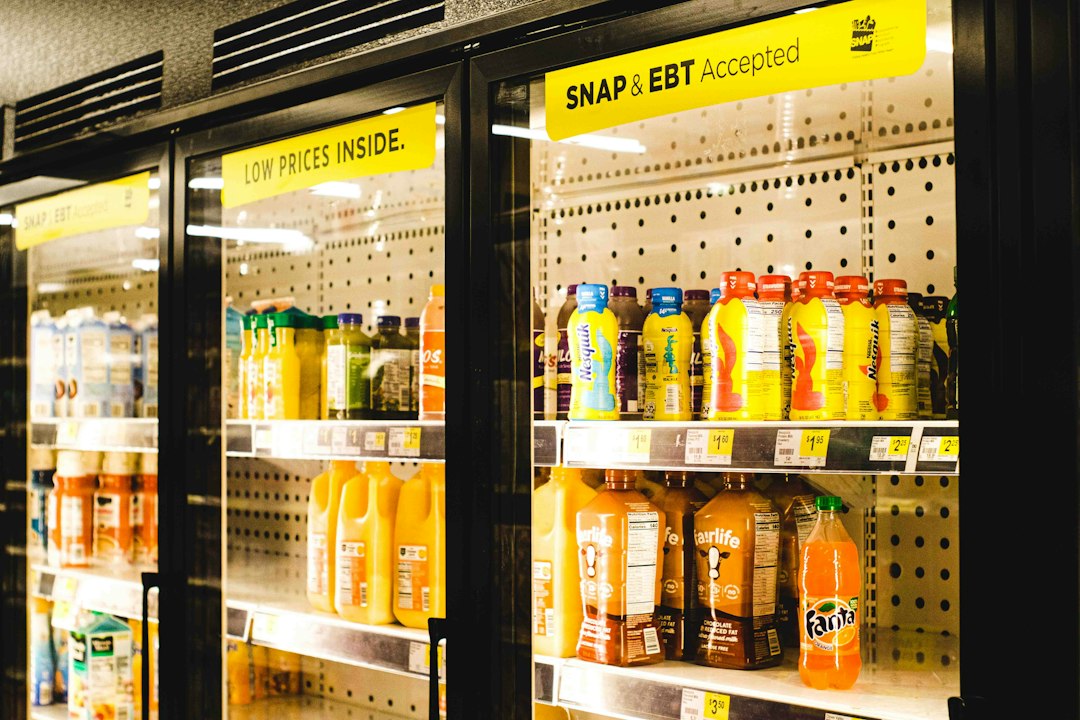
Keep Commercial Refrigeration Cold Before Food Is at Risk
Schedule commercial refrigerator service at least twice a year for equipment that runs hard every day, such as walk-ins, reach-in coolers, prep tables, display cases, and ice machines. Call for repair sooner if temperatures drift, frost builds up, water pools on the floor, doors no longer seal tightly, or the unit makes unusual sounds.
Fast action protects food inventory, supports safe holding temperatures, and can prevent a small issue, such as a dirty coil or worn gasket, from becoming a compressor failure. Door seals are among the most frequent problems in commercial refrigeration, and neglected seals can let warm air in and raise energy costs.
I am Vasyl Turetsky, Founder and Appliance Repair Specialist at iFix Appliances. My experience diagnosing refrigerator and freezer problems helps customers understand when commercial refrigerator service, maintenance, or prompt repair may be needed before a cooling issue becomes a larger loss.
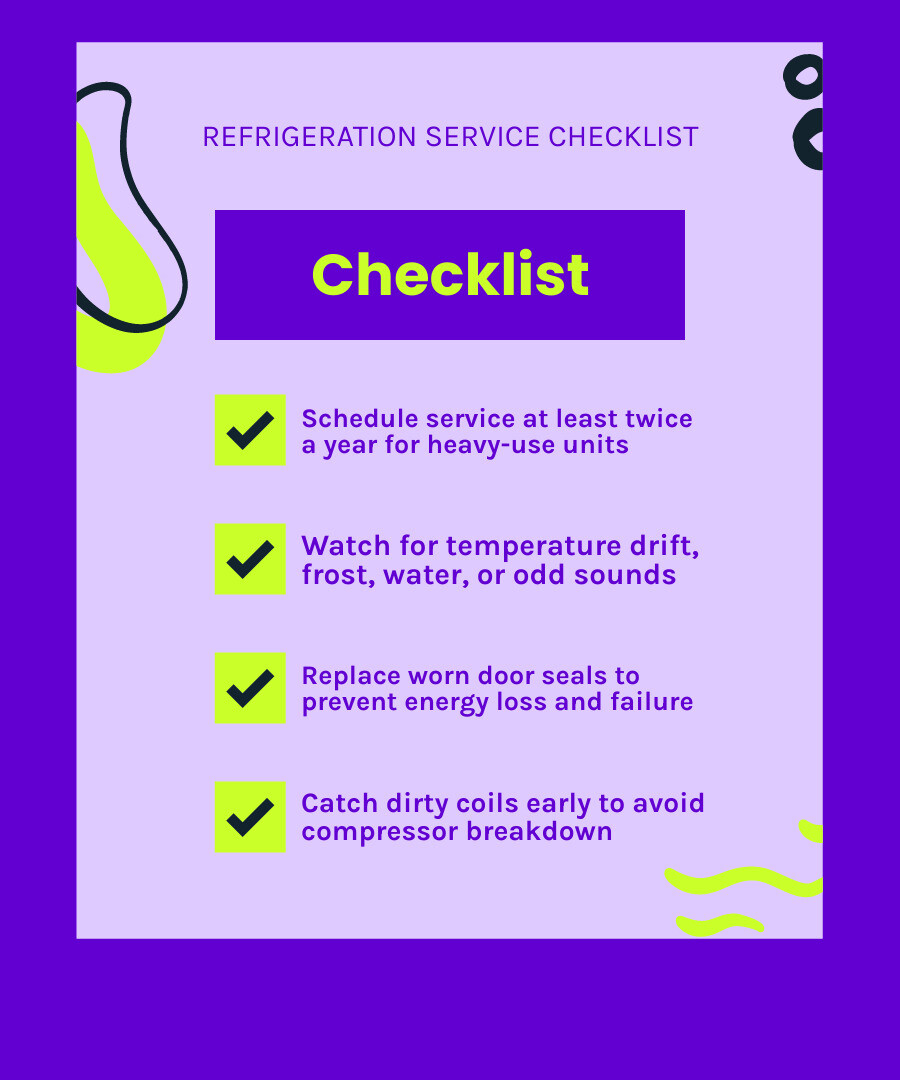
Quick commercial refrigerator service terms:
Common Equipment Types and Critical Warning Signs of Refrigeration Failure
Commercial kitchens, bakeries, markets, and hospitality venues rely on heavy-duty cold storage to keep operations running smoothly. When these appliances malfunction, the clock immediately starts ticking against food safety. Understanding your equipment and knowing what to look out for helps you schedule Commercial Appliance Repair before a minor glitch spoils thousands of dollars in ingredients. Every commercial setup uses specialized cooling systems designed for high-traffic environments, as detailed in The Commercial Kitchen’s Lifeline: Catering Fridge Repairs Explained.
Walk-In Coolers, Reach-Ins, Prep Tables, and Ice Machines
Different refrigeration setups handle distinct workloads across commercial facilities:
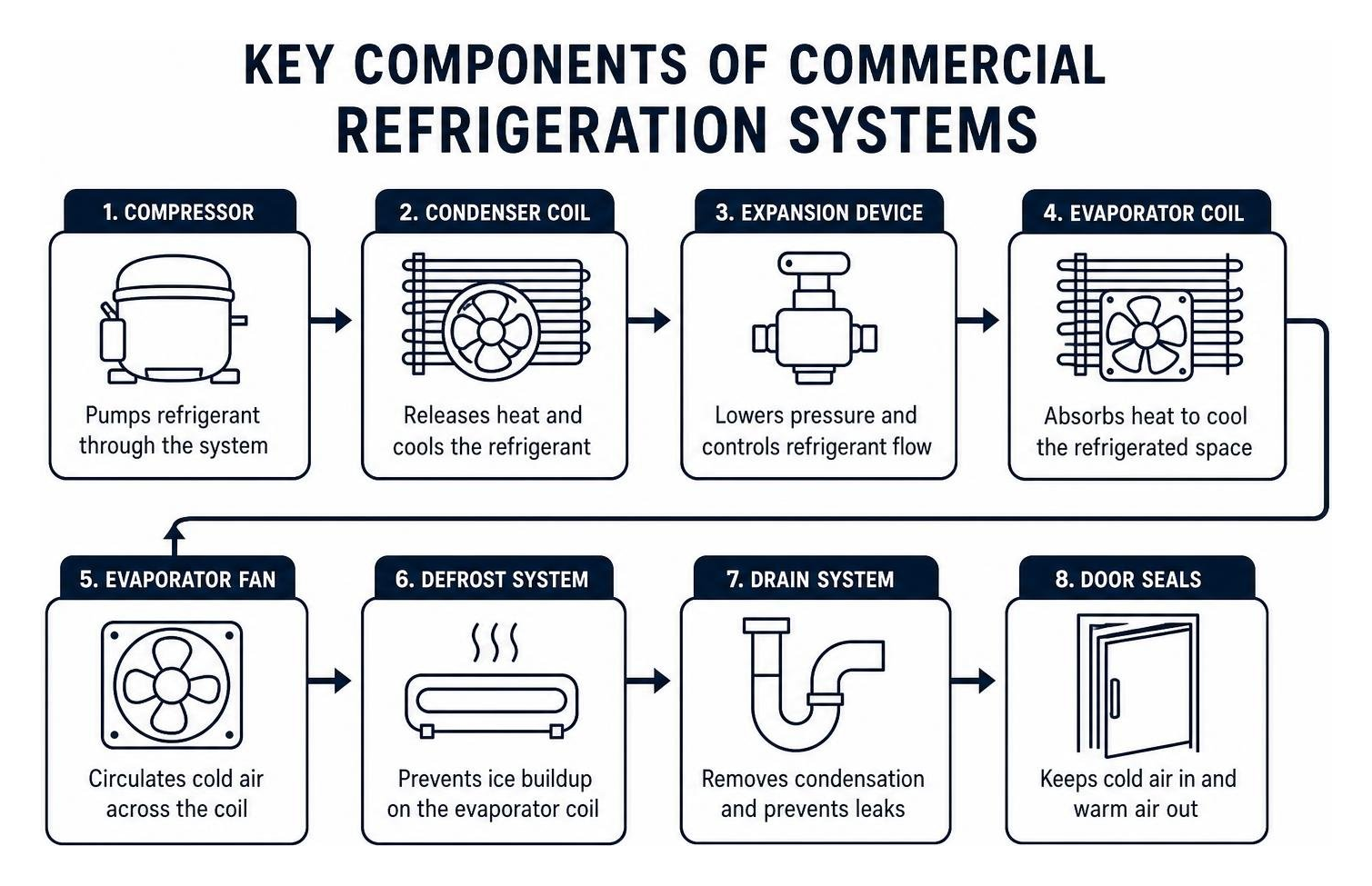
- Walk-In Coolers and Freezers: These large-capacity rooms use separate structural panels, remote or top-mounted condensing units, and heavy-duty evaporator coils. They hold bulk inventory and endure constant staff traffic.
- Reach-In Coolers and Freezers: Self-contained upright cabinets placed on the line for quick access. They rely on high-velocity evaporator fans to pull temperatures down rapidly after the doors swing open.
- Prep Tables and Sandwich Rails: Dual-zone workhorses that keep top pans cold while storing base inventory below. Proper airflow circulation is essential here to keep both the rail and the cabinet balanced.
- Glass-Door Display Merchandisers: Found in customer-facing retail areas, these units feature heated glass panes to prevent exterior fogging and showcase cold beverages or perishables.
- Commercial Ice Machines: High-volume freezing systems requiring scale-free water lines, efficient harvest cycles, and sanitized storage bins.
Early Warning Signs Before Inventory Spoils
Cooling units rarely fail without giving off warning signs first. Keep a close watch for these common red flags:
- Temperature Drift: A sandwich rail or reach-in creeping above 41°F is an immediate food safety risk that requires quick troubleshooting.
- Heavy Frost Accumulation: Frost coating the evaporator coils or creeping along interior walls points to failed defrost timers, frozen drain lines, or severe air leaks.
- Water Pooling and Leaks: Water gathering under floor grates or beneath prep tables suggests clogged condensate drain pans or defective drain heaters.
- Unusual Grinding or Humming Sounds: Failing evaporator fan bearings or a struggling compressor motor often produce loud squeals, clicking, or low vibration rattles.
- Short-Cycling: If the compressor constantly clicks on and off every few minutes, it may be overheating, experiencing electrical relay faults, or suffering from a restricted metering device.
What to Expect During a Professional Commercial Refrigerator Service Visit
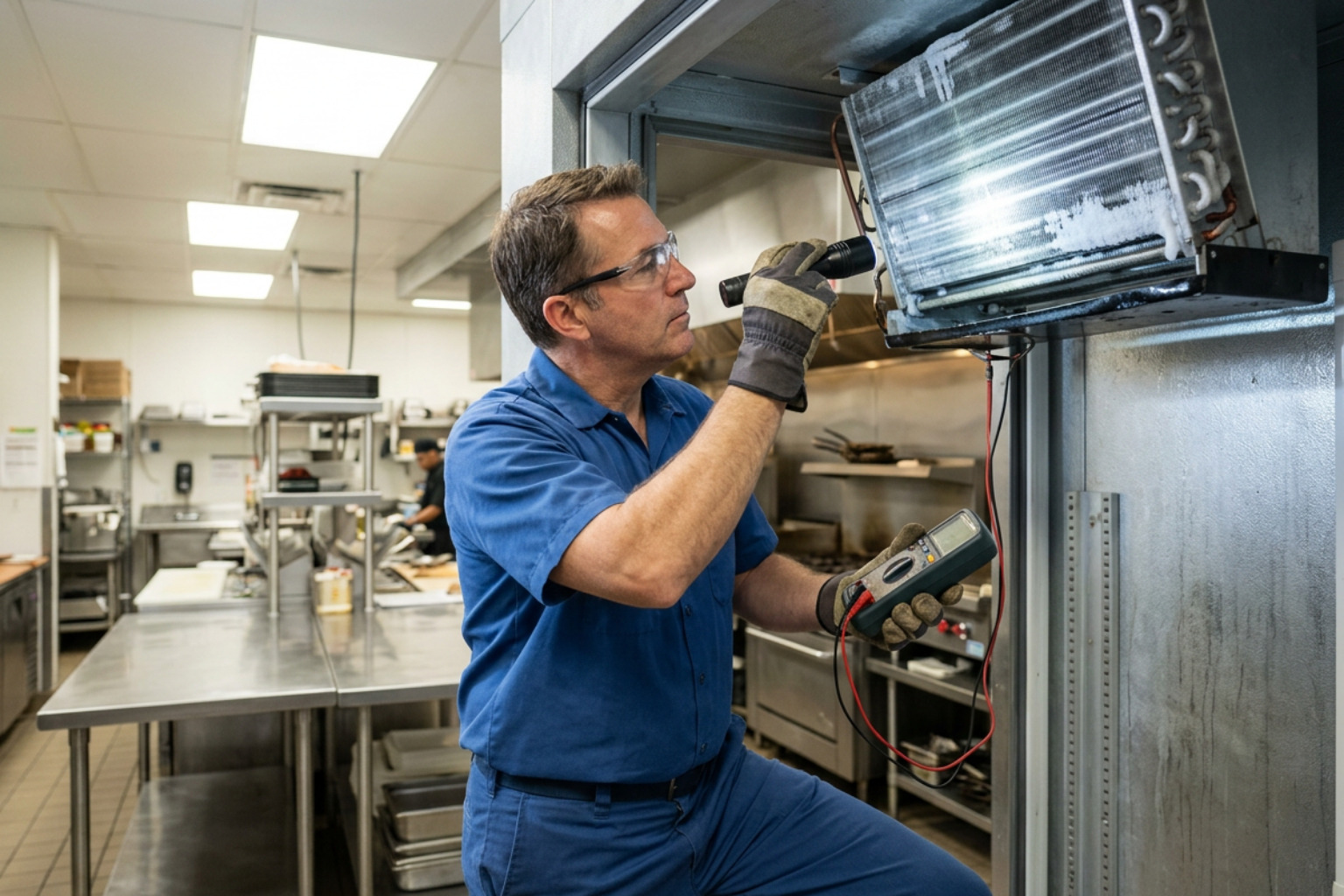
When I arrive for a commercial cooling service call, the goal is straightforward: identify the root cause, verify system safety, and restore proper cooling with minimal downtime. Professional technicians arrive with dedicated testing gear, diagnostic meters, and clean footwear to respect commercial kitchen sanitation rules. Partnering with a dedicated service provider ensures comprehensive care, much like Serving Up Solutions for Your Commercial Food Service Equipment Repair Needs.
Comprehensive Multi-Point Maintenance Checklist
A standard preventive maintenance visit covers all mechanical, electrical, and thermal components of the cooling loop. Reviewing strategies on how to 5 Ways to Find Local Commercial Appliance Repair Like a Pro will highlight the value of these essential inspection steps:
- Deep Coil Cleaning: Condenser and evaporator coils are cleaned to remove grease, dust, and airborne debris that restrict airflow.
- Motor and Blade Inspection: Evaporator and condenser fan motors are lubricated, tested for amp draw, and checked for proper blade alignment.
- Sealed System & Refrigerant Check: Pressures, subcooling, and superheat levels are checked to confirm the unit has an optimal charge without hidden micro-leaks.
- Defrost System Verification: Defrost heaters, termination thermostats, and electronic defrost control boards are cycled to confirm complete melting cycles.
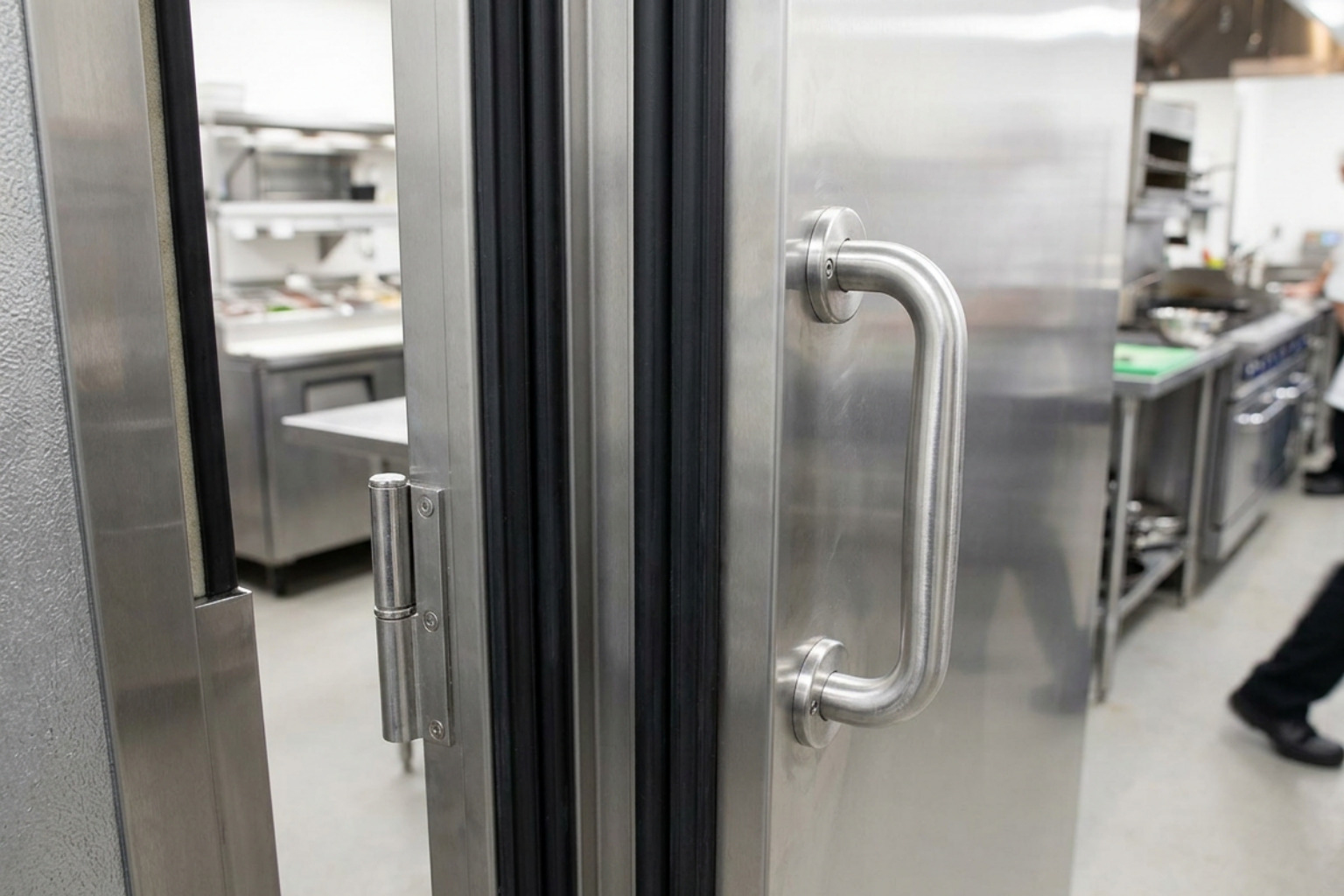
- Gasket and Hardware Inspection: Door gaskets are cleaned and checked for tight magnetic seals; hinges, latches, and automatic door closers are adjusted.
- Drain Line Clearing: Condensate drain lines, pans, and P-traps are flushed out to prevent overflow and ice formation.
- Electrical Testing: Contactors, start capacitors, relays, and wiring terminals are inspected for signs of pitting, scorching, or loose connections.
Routine Commercial Refrigerator Service vs. Emergency Repairs
| Feature | Routine Preventive Service | Emergency Repair Service |
|---|---|---|
| Scheduling | Planned in advance during low-volume kitchen hours | Immediate dispatch during active cooling failure |
| Primary Goal | Prevent breakdowns, boost efficiency, extend equipment life | Rescue inventory, stop leaks, restore safe holding temps |
| Typical Cost | Standard service rate with predictable maintenance pricing | Premium emergency rates, after-hours fees, expedited parts |
| Business Impact | Zero downtime; smoothly fits into kitchen operations | High stress, potential food spoilage, and paused kitchen service |
Commercial Refrigeration Repair Costs, Diagnostics, and Component Lifespans
Commercial repair pricing reflects the heavy-duty parts, specialized diagnostic meters, and certified labor required to service high-capacity sealed systems. In Raleigh, NC and surrounding areas like Cary, Durham, and Chapel Hill, investing in timely repairs protects you against the steep cost of throwing away spoiled food inventory.
Average Repair Pricing and Common Part Replacements
Standard diagnostic service fees usually range from $180 to $325, with higher rates applying to after-hours or emergency weekend calls. Once the diagnostic evaluation is complete, the total repair cost depends on the specific parts and labor required:
- Door Gasket Replacement: $200 – $420 per door (restores airtight closure and saves energy).
- Condenser or Evaporator Fan Motor: $250 – $650 (restores vital airflow across the coils).
- Thermostat & Electronic Temperature Control Board: $200 – $520 (resolves wide temperature swings).
- Refrigerant Leak Repair & System Recharge: $180 – $900+ (depends on system capacity, leak location, and refrigerant type).
- Commercial Compressor Replacement: $1,400 – $2,800 (includes compressor, filter drier replacement, deep evacuation, and new refrigerant charge).
If you are dealing with a reach-in or walk-in that has stopped holding safe temperatures, getting Refrigerator Not Cooling Fast Reliable Refrigerator Repair in Raleigh NC will help pinpoint the failure before it damages the compressor.
Repair vs. Replace: Making the Right Business Decision
Deciding whether to repair an aging refrigeration unit or invest in new equipment comes down to a few practical factors:
- The 50% Rule: If a single repair quote exceeds 50% of the cost of a brand-new unit—and the equipment is past 7 to 10 years of age—replacement is often the more economical path.
- Frequency of Breakdowns: When a prep table or display merchandiser requires multiple service calls within a single year, recurring repair costs and downtime quickly outweigh the price of a modern unit.
- Energy Efficiency & Modern Refrigerants: Older units operating on phased-out refrigerants cost significantly more to service. Newer commercial models feature variable-speed compressors, ECM fan motors, and advanced insulation that lower monthly utility bills.
Maximizing Efficiency and Preventing Kitchen Downtime
Daily kitchen habits and basic preventive measures make a massive difference in how well your commercial refrigeration holds up. Combining cold-storage care with routine hot-side maintenance, as covered in The Essential Checklist for Restaurant Cooking Equipment Repair and Maintenance, keeps your entire kitchen running efficiently.
How Routine Commercial Refrigerator Service Lowers Operating Costs
Regular maintenance pays for itself by preventing expensive emergency repairs and cutting utility overhead. When condenser coils become insulated with airborne cooking grease and dust, the compressor must run significantly longer cycles to discharge heat. This extra strain drives up electricity consumption and shortens the life of expensive motor windings.
Similarly, worn-out magnetic door gaskets allow cool air to escape continuously. Replacing degraded seals every 2 to 3 years prevents warm, humid kitchen air from entering the cabinet, which stops ice buildup on the evaporator and keeps operating costs low.
Best Practices to Prepare Your Kitchen for a Technician Visit
Preparing your facility before the technician arrives speeds up diagnostics and gets your kitchen back to normal faster:
- Clear Physical Access: Move sheet pans, prep carts, dry storage boxes, and trash bins away from the front, back, and top access panels of the refrigeration unit.
- Locate the Equipment Data Plate: Ensure the serial number and model plate (typically found on the interior wall or outer frame) are clean and readable.
- Document Error Codes and Temperature Logs: Note any active digital control codes, specific temperature spikes, or unusual sounds you noticed leading up to the issue.
- Provide Power Disconnect Access: Ensure clear access to breaker panels and dedicated wall disconnect switches in case the unit needs to be safely de-energized.
- Protect Open Food Items: Cover or temporarily relocate sensitive prep items away from the immediate workspace so the technician can work efficiently without risking food contamination.
Frequently Asked Questions About Commercial Refrigeration Repair
How often should commercial refrigeration equipment be serviced?
Commercial coolers, walk-ins, and freezers should receive comprehensive maintenance at least twice a year. High-demand kitchens, facilities with high ambient temperatures, or units placed near cooking lines benefit from quarterly inspections to keep coils free of grease and dust.
What temperature must commercial food prep and reach-in units maintain?
Under standard health regulations, commercial refrigeration units holding Time/Temperature Control for Safety (TCS) foods must maintain an internal product temperature of 41°F (5°C) or lower. Commercial freezers should consistently hold temperatures between 0°F and -10°F.
What certifications should a commercial refrigeration technician hold?
A qualified technician must hold an EPA Section 608 Universal Certification to legally purchase, handle, recover, and charge regulated refrigerants. Technicians should also carry relevant state mechanical trade licenses, manufacturer certifications, and full commercial liability insurance.
Conclusion
A sudden breakdown in your commercial refrigeration system threatens your inventory, disrupts kitchen service, and can result in costly health code penalties. Staying proactive with routine multi-point maintenance, checking your door gaskets regularly, and addressing temperature swings early protects your business from unnecessary headaches.
Whether you run a busy restaurant in downtown Raleigh, manage a bakery in Cary, or oversee food storage in Apex, Garner, Durham, Chapel Hill, or Wake Forest, iFix Appliances is here to help. For honest diagnostics, fast turnaround times, and expert Refrigerator Repair, reach out to our experienced team today to keep your commercial refrigeration systems running cool, safe, and dependable.
0 Comments