
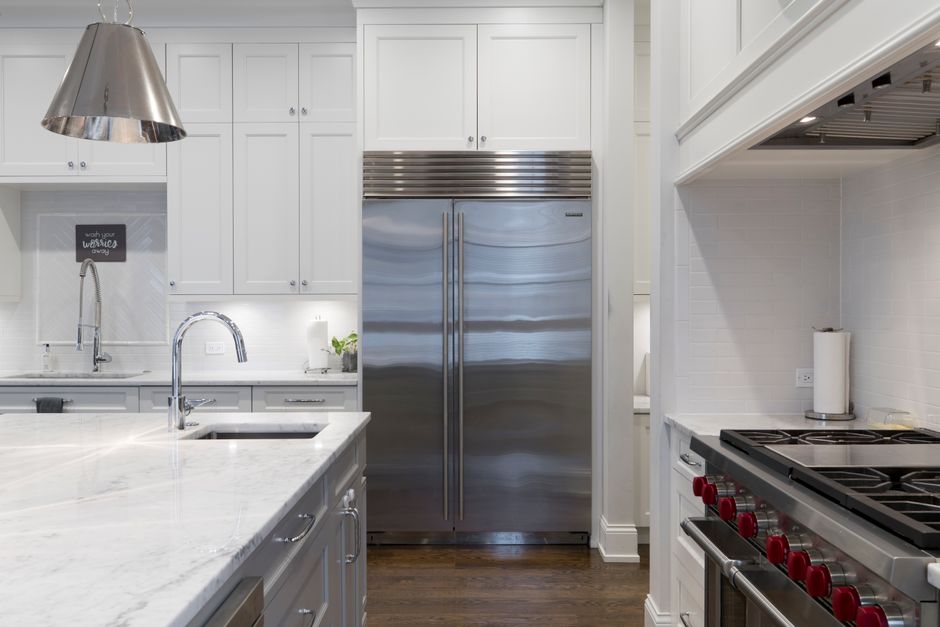
When Your Wolf Kitchen Needs Help: A Quick Guide to Wolf Repair Service
Wolf Repair Service connects owners of premium Wolf cooking appliances with trained technicians who can diagnose and fix issues fast — using genuine parts and proper tools.
If you need a quick answer, here’s what to know:
- Who to call: Look for a factory-certified or authorized Wolf repair provider in your area
- What they fix: Ranges, ovens, cooktops, steam ovens, microwaves, ventilation hoods, outdoor grills, and built-in coffee systems
- What it costs: Diagnostic visits typically run around $89, with most repairs falling between $200 and $700
- Parts used: Genuine OEM Wolf parts, which usually carry a one-year replacement warranty
- Response time: Many authorized providers offer same-day or next-day service
Wolf appliances are built to last. The signature red knobs, the commercial-grade burners, the precision temperature control — they’re designed to perform beautifully for decades. But even the finest cooking appliances need professional attention from time to time. A burner that won’t stop clicking. An oven that runs 50 degrees off. A steam generator that stops producing steam mid-cook. These aren’t problems you want to hand off to just anyone.
The challenge is knowing who to trust with an appliance this valuable — and what to expect when you call for help.
I’m Vasyl Turetsky, Founder and Appliance Repair Specialist at iFix Appliances, and I’ve provided Wolf Repair Service to homeowners across Raleigh, Cary, Durham, and surrounding North Carolina communities, working on everything from Wolf ranges to built-in ovens and cooktops. In this guide, I’ll walk you through everything you need to know — from diagnosing common problems to finding the right repair professional.
Why Professional Wolf Repair Service is Essential for Luxury Appliances
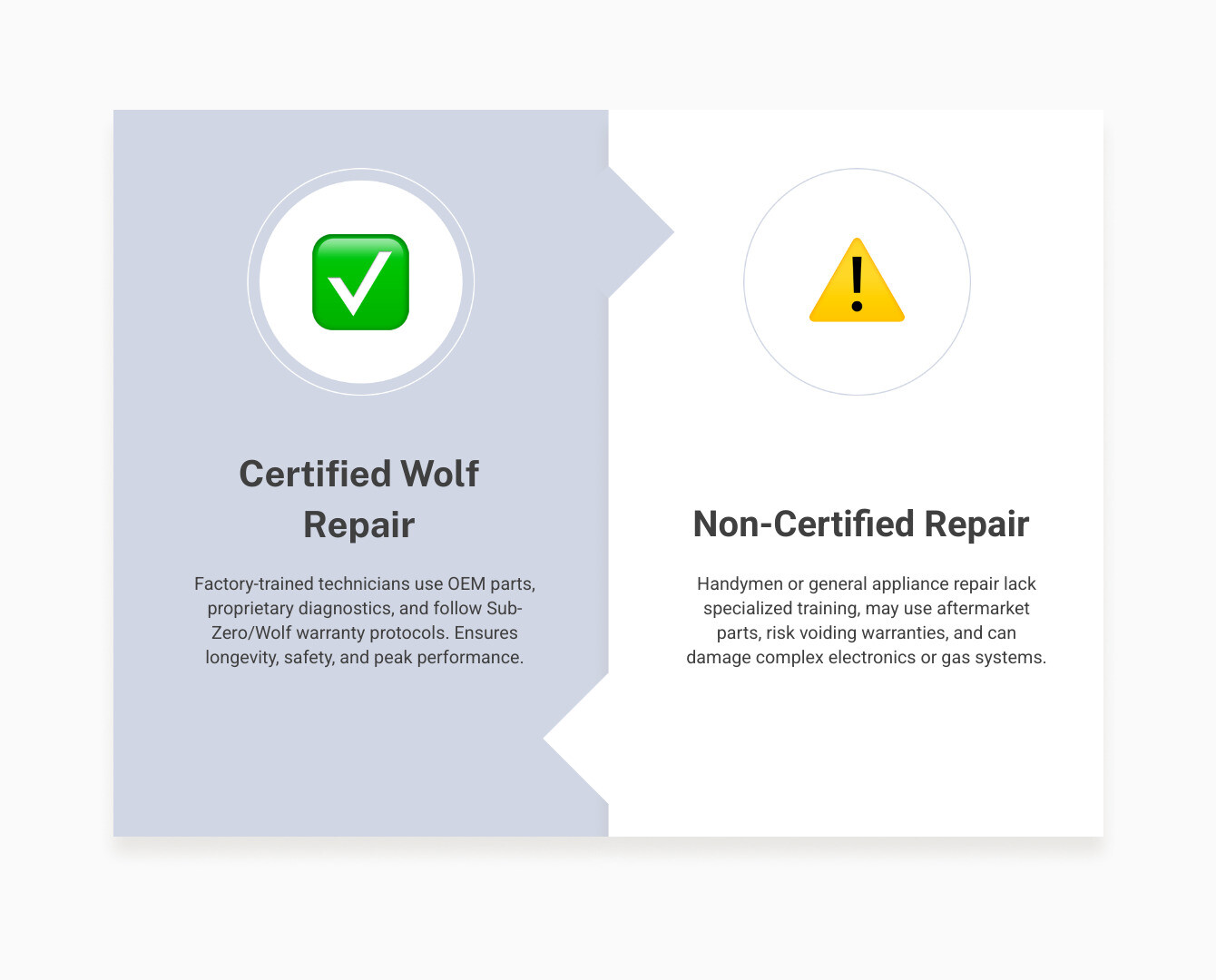
When you purchase a Wolf appliance, you are not just buying a tool to heat up food; you are investing in a commercial-grade culinary powerhouse. Because these machines are engineered with such precision, repairing them requires a level of expertise that goes far beyond standard handyman work.
Generic, “one-size-fits-all” repair practices often fall short when dealing with the advanced electronic control boards, dual-stacked burners, and complex convection systems found in Wolf products. Professional Wolf Repair Service ensures that your high-end appliance is treated with the care and specific technical knowledge it deserves.

To keep your kitchen running perfectly, we strongly recommend choosing a team that understands the brand inside and out. Learn more about our range repair services to see how we handle these high-performance machines. If you are looking for local certified options or need to verify warranty-eligible service providers, you can also use the official Find an authorized locator to find certified support in your area.
Understanding Wolf Factory Certified Service
In the luxury appliance industry, “Factory Certified” is the gold standard. Wolf, which was acquired by Sub-Zero in the year 2000, shares a highly integrated service network with its sister brands, Sub-Zero and Cove. This partnership means that certified technicians undergo rigorous, manufacturer-specific training directly from the brand’s engineers.
When you hire a technician who specializes in Wolf systems, you benefit from:
- Advanced Technical Expertise: Technicians are trained to handle the unique physical and mechanical structures of heavy, built-in units without damaging your custom cabinetry or delicate kitchen flooring.
- Proprietary Diagnostic Software: Modern Wolf cooking appliances, particularly the M Series and E Series ovens, utilize advanced microprocessors. Specialized technicians use proprietary diagnostic tools to pinpoint electronic control board faults that standard multimeters cannot detect.
- Warranty Protection: If your appliance is still covered under its original manufacturer warranty, only authorized service providers can perform the repairs without voiding your remaining coverage.
- White-Glove Standards: True luxury service means protecting your home. This includes using protective floor booties, padded tool bags, and soft counter mats to ensure your kitchen remains pristine throughout the service visit.
The Risks of Non-Certified Wolf Repair Service
It can be tempting to call a general neighborhood handyman when an oven burner fails, but with luxury appliances, saving a few dollars upfront can lead to incredibly costly mistakes.
Non-certified repair services often rely on aftermarket, third-party parts. While these parts may look similar to original components, they are rarely engineered to the same strict tolerances. A cheap igniter or incorrect heating element can easily burn out prematurely, or worse, cause an electrical short that ruins your entire main control board.
Additionally, general technicians may lack the specialized equipment required to safely extract heavy built-in ovens or slide out massive 48-inch dual-fuel ranges. One wrong move can scratch custom hardwood floors or chip expensive marble countertops. If you are experiencing issues with your baking or roasting performance, it is always safer to Explore our oven and stove repair options to ensure your investment is handled with professional-grade care.
Troubleshooting Common Wolf Appliance Issues
While Wolf appliances are incredibly reliable, they are mechanical and electronic systems that experience normal wear and tear over years of heavy use. Understanding what is causing a specific issue can help you decide whether you can resolve it yourself or if it is time to call in the professionals.
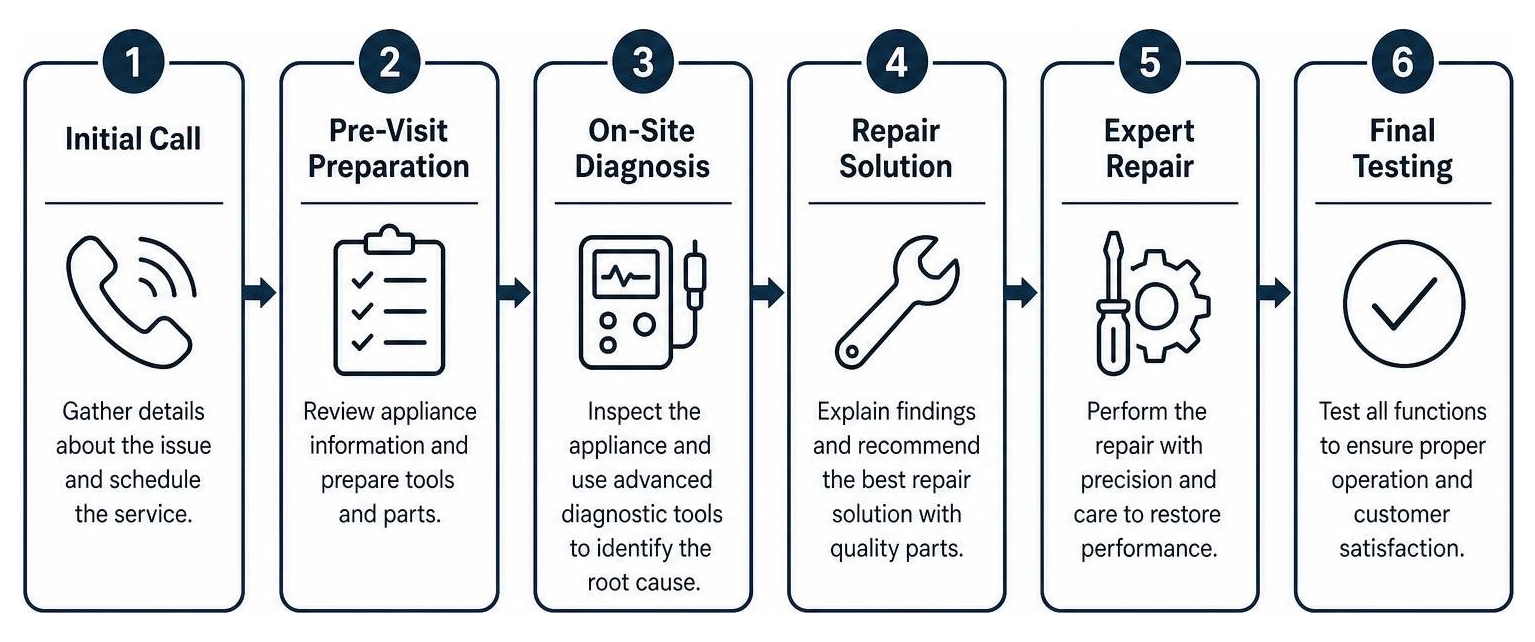
Below is a quick-reference troubleshooting table detailing common Wolf appliance problems, their typical root causes, and recommended solutions:
| Appliance | Common Symptom | Potential Root Cause | Recommended Solution |
|---|---|---|---|
| Gas Range / Cooktop | Burner clicks continuously but will not light | Moisture or food debris around the igniter; clogged igniter ports | Dry the burner cap; clear igniter ports with an unfolded paperclip |
| Gas Range / Cooktop | Uneven or weak flames | Clogged burner ports; gas line pressure issues; faulty regulator | Clean burner ports; check gas valves; schedule professional pressure test |
| Built-In Oven | Oven heats unevenly or runs too cold | Failing temperature sensor; blown thermal fuse; broken heating element | Recalibrate oven temperature; replace sensor or faulty heating element |
| Convection Steam Oven | Steam generation stops mid-cycle | Heavy mineral scale buildup in the boiler or water circuit | Run a comprehensive descaling cycle using approved solution |
| Built-In Coffee System | Grinder runs but no coffee is dispensed | Clogged coffee chute; heavy mineral scale in water lines | Clean the internal brew unit; run the descaling program |
| Ventilation Hood | Blower makes excessive noise or lacks suction | Heavy grease buildup on filters; motor bearing wear; duct obstruction | Clean or replace baffle filters; schedule blower motor replacement |
Why is My Wolf Burner Clicking Continuously?
One of the most common issues home chefs face is a gas burner that continues to click even after the flame has successfully lit—or even when the burner is turned completely off.
This continuous clicking is almost always caused by moisture or food debris disrupting the spark ignition system. During cooking, a pot boiling over can send liquid directly into the igniter assembly. Alternatively, aggressive cleaning with wet sponges can leave water trapped under the burner cap. The ignition system detects this moisture as an interruption and continues to spark in an attempt to light the gas.
The Fix:
- Turn off the gas supply and unplug the range (or turn off the circuit breaker).
- Remove the burner grate, burner cap, and burner ring.
- Use a dry microfiber cloth to thoroughly wipe down the igniter and surrounding area.
- If you notice grease or carbon buildup clogging the tiny holes (ports) of the burner ring, use an unfolded paperclip to gently clear the debris.
- Crucial Tip: Never use wooden toothpicks to clean the igniter ports. The wood can easily splinter and break off inside the port, creating a permanent clog and a potential fire hazard.
- Allow the burner assembly to air dry completely (you can use a hair dryer on a cool setting to speed up the process) before reassembling and testing.
Resolving Wolf Oven Heating and Calibration Problems
If your soufflés are collapsing or your roasts are taking twice as long as they should, your Wolf oven may have a calibration or heating element issue. Wolf built-in ovens feature up to 10 distinct cooking modes, using multiple elements and convection fans to circulate heat with incredible precision. If one of these components drifts or fails, your cooking results will suffer.
Temperature Sensor Drift
Over time, the internal temperature sensor (RTD) can drift from its original factory specifications. If the sensor misreads the oven’s internal temperature, it may signal the control board to shut off the heating elements too early. Many Wolf ovens allow you to recalibrate the temperature offset by up to 35 or 50 degrees directly through the user settings menu. However, if the sensor is completely dead, it must be replaced.
Blown Thermal Fuses and the Self-Clean Risk
Another common cause of a completely cold oven is a blown thermal fuse. This fuse acts as a safety limit to prevent the oven from overheating.
A well-known industry secret among luxury appliance technicians is the risk of the self-cleaning cycle. The self-clean mode heats the oven to extreme temperatures (often over 800°F) to burn off grease. This intense, prolonged heat puts immense stress on the oven’s internal components, including the thermal fuse, control boards, and door latch motor.
If you run a self-clean cycle right before a major hosting event or holiday, you run a high risk of blowing the thermal fuse, leaving you with a non-functional oven right when you need it most. We always recommend scheduling self-cleaning cycles several weeks before major holidays, or simply cleaning the oven manually with mild, manufacturer-approved soapy water.
Deciding to Repair vs. Replace Your Wolf Appliance
Because Wolf appliances represent a significant financial investment, deciding whether to repair a malfunctioning unit or replace it entirely is a major decision.
Fortunately, Wolf appliances are engineered with commercial-grade materials and are built to have an operational lifespan of 20 years or more. This is nearly double the lifespan of standard residential appliances, which typically last only 8 to 12 years. Because of this exceptional durability, repairing a Wolf appliance is almost always the smarter, more cost-effective choice.

When deciding between repair and replacement, consider the following factors:
- The 50% Rule: If the cost of the repair is less than 50% of the price of a brand-new equivalent Wolf model, repair is highly recommended. Given that a new Wolf range can cost anywhere from $6,000 to over $20,000, even a major $1,000 repair is highly economical.
- Age of the Appliance: If your Wolf unit is under 15 years old, it still has plenty of productive years ahead. Standard wear-and-tear parts like igniters, door gaskets, and fan motors are easily replaced.
- Parts Availability: Because Wolf maintains a commitment to long-term quality, genuine replacement parts remain highly accessible even for models that are over a decade old.
To explore the wide range of premium equipment we can help you preserve, Check out the brands we service to see how we maintain luxury appliances throughout their extended lifespans.
When to Schedule a Wolf Repair Service Visit
While some minor issues can be solved with a quick cleaning, certain symptoms require immediate, professional intervention to protect your home and ensure your safety. Schedule a professional repair visit immediately if you experience:
- A Persistent Gas Smell: If you smell gas in your kitchen, turn off your main gas supply line, open your windows, evacuate the home, and call your local gas utility or emergency services immediately. Once the environment is deemed safe, call a certified technician to locate and repair the leak.
- Delayed Ignition: If you hear a loud “boom” or “popping” noise when lighting your gas oven or range burners, this is a sign of delayed ignition. Gas is building up in the chamber before finally catching the spark, which can be highly dangerous.
- System Error Codes: Modern Wolf ovens will display specific alphanumeric error codes (such as “F1” or “OP”) on the control panel when an internal system failure is detected. These codes indicate electronic or mechanical errors that require professional diagnostics.
- Visible Damage: Broken door hinges, cracked glass cooktops, or deteriorated door gaskets should be replaced promptly to prevent heat loss and potential injury.
Maintaining Your Wolf Appliances to Prevent Future Breakdowns
The best way to avoid unexpected repair bills is to establish a regular preventative maintenance routine. By taking care of your luxury appliances, you preserve their precision performance and extend their lifespan.
- Schedule Annual Professional Inspections: Just like a high-performance sports car, a Wolf range benefits from an annual checkup. A technician can inspect gas connections, verify electrical currents, test safety valves, and recalibrate temperature sensors to ensure everything is operating at factory-certified standards.
- Descale Specialized Water Systems: If you own a Wolf Convection Steam Oven (CSO) or a built-in coffee system, regular descaling is critical. Tap water contains dissolved minerals like calcium and magnesium. Over time, these minerals bake onto heating elements and clog internal water lines. Follow the step-by-step instructions in your official Use & Care Guide to descale these systems using manufacturer-approved descaling solutions.
- Clean Ventilation Baffle Filters: Heavy grease buildup in your Wolf range hood reduces airflow, causes the blower motor to work harder (leading to premature failure), and presents a serious kitchen fire hazard. Wash your stainless steel baffle filters in hot, soapy water or run them through a dishwasher cycle once a month.
- Wipe Down Stainless Steel Safely: To maintain the beautiful luster of your Wolf appliance exterior, always wipe in the direction of the stainless steel grain. Use a mild soapy water solution or a dedicated stainless steel cleaner, and avoid abrasive scrubbing pads that can permanently scratch the metal finish.
Frequently Asked Questions About Wolf Appliance Repairs
Navigating luxury appliance repairs often comes with plenty of questions. Here are clear, honest answers to some of the most common questions homeowners ask when seeking Wolf Repair Service.
How much does a typical Wolf appliance repair cost?
Because Wolf appliances utilize premium, commercial-grade components, repair costs are generally higher than those for standard household brands.
- Diagnostic Fee: Most professional repair companies charge a diagnostic fee (typically around $89 to $150) to cover the technician’s travel and time spent testing the machine. At iFix Appliances, we apply this diagnostic fee toward the total cost of your repair if you choose to proceed with our recommended solution.
- Common Repairs: Standard repairs—such as replacing a gas range igniter, a temperature sensor, or an oven door gasket—typically range between $200 and $700, including parts and labor.
- Major Component Repairs: Replacing complex electronic control boards, heavy convection fan motors, or dual-fuel heating elements can cost anywhere from $700 to $1,500+, depending on the specific model and accessibility.
Are Wolf repair services covered by a warranty?
Yes, reputable repair services always stand behind their work. When you choose a high-quality provider, you should expect:
- Parts Warranty: Genuine OEM Wolf replacement parts typically come with a one-year (365-day) replacement warranty directly from the manufacturer. If the new part fails within that year, it is replaced at no additional cost.
- Labor Guarantee: Professional service providers will offer a labor guarantee (ranging from 30 days to 90 days or more) to ensure that if the exact same issue returns shortly after the repair, they will come back to resolve it without charging you another service fee.
Can any technician service a Wolf appliance under warranty?
No. If your Wolf appliance is currently covered under its original factory warranty (which often covers parts and labor for the first two years, and key structural parts for up to five years), only factory-authorized service providers can perform repairs.
If you hire an independent, non-authorized technician to work on a warranted appliance, you risk voiding the remainder of your manufacturer warranty. Always verify a company’s credentials and authorization status before allowing them to service a machine that is still under warranty.
Conclusion
A Wolf kitchen is more than just a collection of high-end appliances—it is the heart of your home, designed to bring family and friends together over incredible meals. When a range, oven, or cooktop experiences a mechanical hiccup, it doesn’t just disrupt your cooking schedule; it can put a halt to your entire daily routine.
By choosing professional, brand-specific Wolf Repair Service, you ensure that your luxury investment receives the precise diagnostics, genuine OEM parts, and white-glove care it needs to perform beautifully for decades to come.
At iFix Appliances, we are proud to serve homeowners across Raleigh, Cary, Apex, Garner, Durham, Morrisville, Wake Forest, Chapel Hill, Fuquay-Varina, and Holly Springs. Our team of experienced, local technicians is dedicated to providing honest diagnostics, transparent pricing, and reliable repair solutions that keep your kitchen running perfectly.
Don’t let a clicking burner or an uneven oven slow down your culinary adventures. Schedule your Wolf Repair Service today and let us restore your kitchen to its peak performance!


0 Comments