
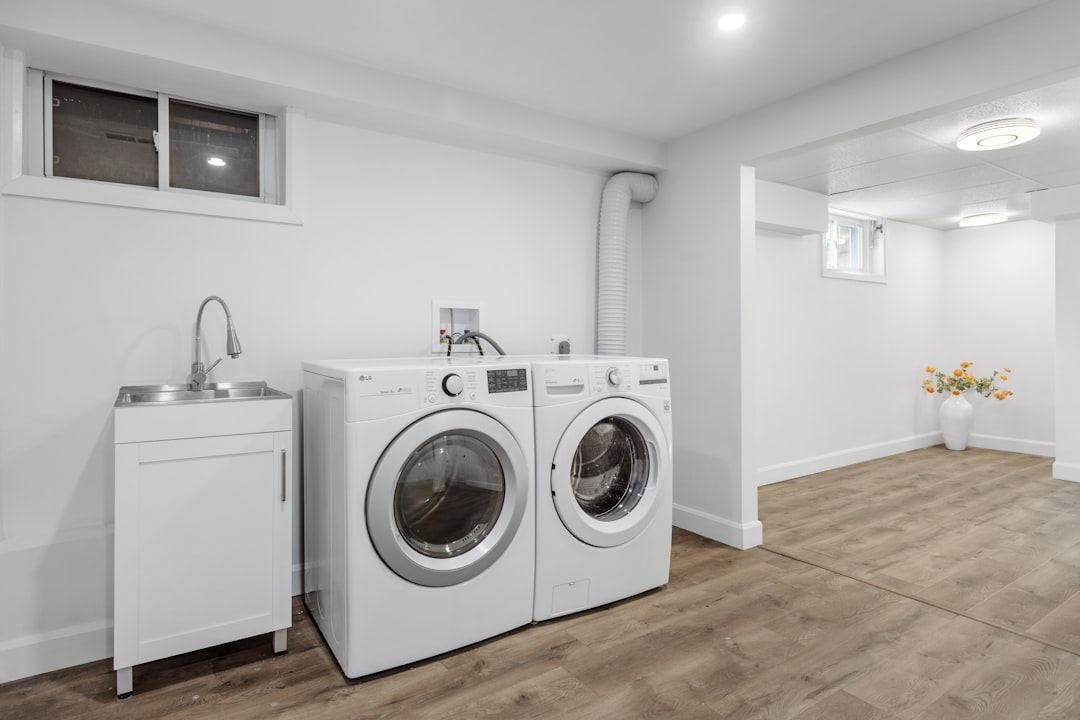
A Broken Washer Disrupts Your Whole Household — Here’s What to Do
Washer repair is something most Raleigh homeowners will need at least once — and usually at the worst possible time.
Before diving in, here’s a quick answer if you’re in a hurry:
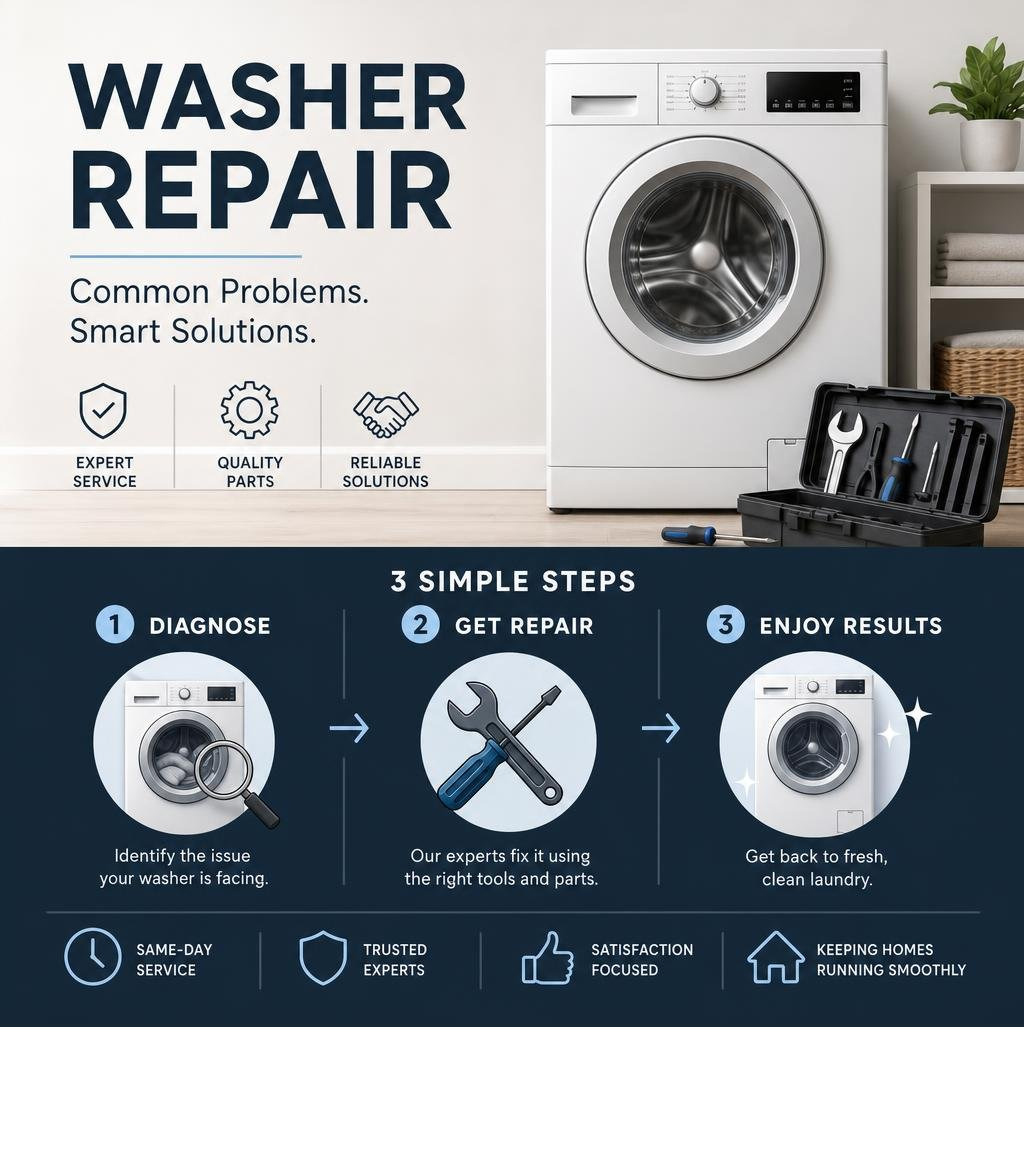
How to find local washer repair service in 3 steps:
- Search for local, licensed technicians with verified reviews in your area
- Ask the right questions — upfront pricing, OEM parts, and warranty coverage
- Book a same-day or next-day appointment and be home for the diagnostic visit
A washing machine that won’t spin, drain, or start doesn’t just create a pile of wet laundry. It throws off your entire weekly routine. And if you’ve already dealt with a repair company that showed up late, charged hidden fees, or fixed the wrong thing — you know how frustrating this can get.
The good news? Most washer problems are fixable, often in a single visit, and finding a trustworthy local technician doesn’t have to be complicated.
This guide walks you through everything you need to know: common washer problems, when to DIY vs. call a pro, what repairs actually cost, and how to find reliable service in the Raleigh area — fast.
Common Washing Machine Problems: DIY vs. Professional Fixes
Modern washing machines are marvels of convenience, but they are also complex systems combining water, electricity, and high-speed mechanical motion. When one of these elements falls out of sync, your laundry routine comes to a grinding halt.
Statistics show that online appliance repair guides have amassed over 3.3 million views all-time, with more than 108,000 views in the past month alone. This massive interest proves two things: washing machines break down frequently, and homeowners are eager to understand whether they can tackle the fix themselves or if they need to call in the experts.
Let’s break down the most common washer issues we see in the Triangle area and determine which ones are safe for a weekend DIY project and which ones require certified expertise.
Common Washer Symptoms and What They Mean
- The Washer Won’t Spin: If your clothes are coming out soaking wet, the machine may not be reaching its high-speed spin cycle. This is often caused by an unbalanced load, a failing lid switch, a broken drive belt, or a worn motor coupling.
- The Washer Won’t Drain: Standing water in the drum is a classic headache. It usually points to a clogged drain pump filter, a kinked drain hose, or a completely failed drain pump motor.
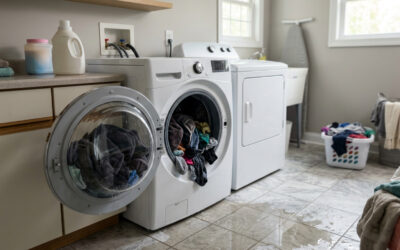
- Water Leaks: Puddles on your laundry room floor are an immediate red flag. Leaks commonly stem from worn door gaskets (especially on front-loaders), loose hose connections, or a cracked water inlet valve.
- Loud Grinding, Banging, or Squeaking Noises: While some operational noise is normal, violent shaking or grinding sounds usually indicate failing tub bearings, worn suspension rods, or a foreign object (like loose change) caught in the pump.
To help you decide your next steps, we have put together a quick-reference guide comparing common washer repairs:
| Washer Problem | Likely Cause | Repair Type | Risk Level of DIY |
|---|---|---|---|
| Excessive Vibration | Unbalanced load or unlevel legs | DIY | Extremely Low |
| No Water Entering Drum | Kinked hose or closed faucet | DIY | Low |
| Standing Water/No Drain | Clogged drain pump filter | DIY / Pro | Medium (Spill Hazard) |
| Leaking from Door Gasket | Dirty or torn rubber seal | DIY / Pro | Medium |
| Won’t Spin / Agitate | Broken belt, lid switch, or motor | Pro | High (Electrical/Mechanical) |
| Loud Grinding Noise | Worn tub bearings or suspension | Pro | High (Requires Disassembly) |
| No Power / Dead Console | Blown thermal fuse or control board | Pro | High (Electrical Hazard) |
Attempting to fix complex mechanical or electrical issues without proper training can lead to further damage, voided warranties, or even personal injury. Before you grab your toolbox, make sure you understand the 5 warning signs of DIY disaster to protect your home and your appliance.
Troubleshooting Minor Issues at Home
Not every washing machine hiccup requires a service call. Before you panic, run through these simple troubleshooting steps to see if you can resolve the issue in a few minutes:
- Check the Balance: If your washer is vibrating violently or stopped mid-cycle, open the lid and redistribute the clothes. Heavy items like towels, jeans, or bedding can clump together on one side, causing the machine’s safety sensors to halt the spin cycle.
- Verify the Power Connection: It sounds obvious, but heavy vibration can sometimes wiggle a power plug loose. Ensure the cord is firmly plugged into a grounded outlet and check your home’s electrical panel to make sure a breaker hasn’t tripped.
- Clean the Drain Pump Filter: Front-load washers and some modern top-loaders have an accessible filter near the bottom front of the machine. Place a shallow pan and a towel on the floor, open the access panel, unscrew the filter, and clear out any lint, coins, or hairpins.
- Inspect and Clean the Door Gasket: Front-load washers are highly prone to mold, mildew, and debris buildup in the rubber door boot. Wipe it down regularly with a mixture of warm water and vinegar, and gently peel back the folds to check for small items like socks or coins that might be breaking the watertight seal.
If you have tried these basic troubleshooting steps and your machine is still acting up, it is time to look for professional help. Recognizing these early indicators can save you from a flooded laundry room. Read more about the 5 signs your washer needs repair to catch minor issues before they turn into major expenses.
When to Call a Professional for Washer Repair
While cleaning a filter or leveling your machine’s feet is perfectly fine to do yourself, certain repairs should strictly be left to certified technicians.
We highly recommend calling a professional if you encounter any of the following:
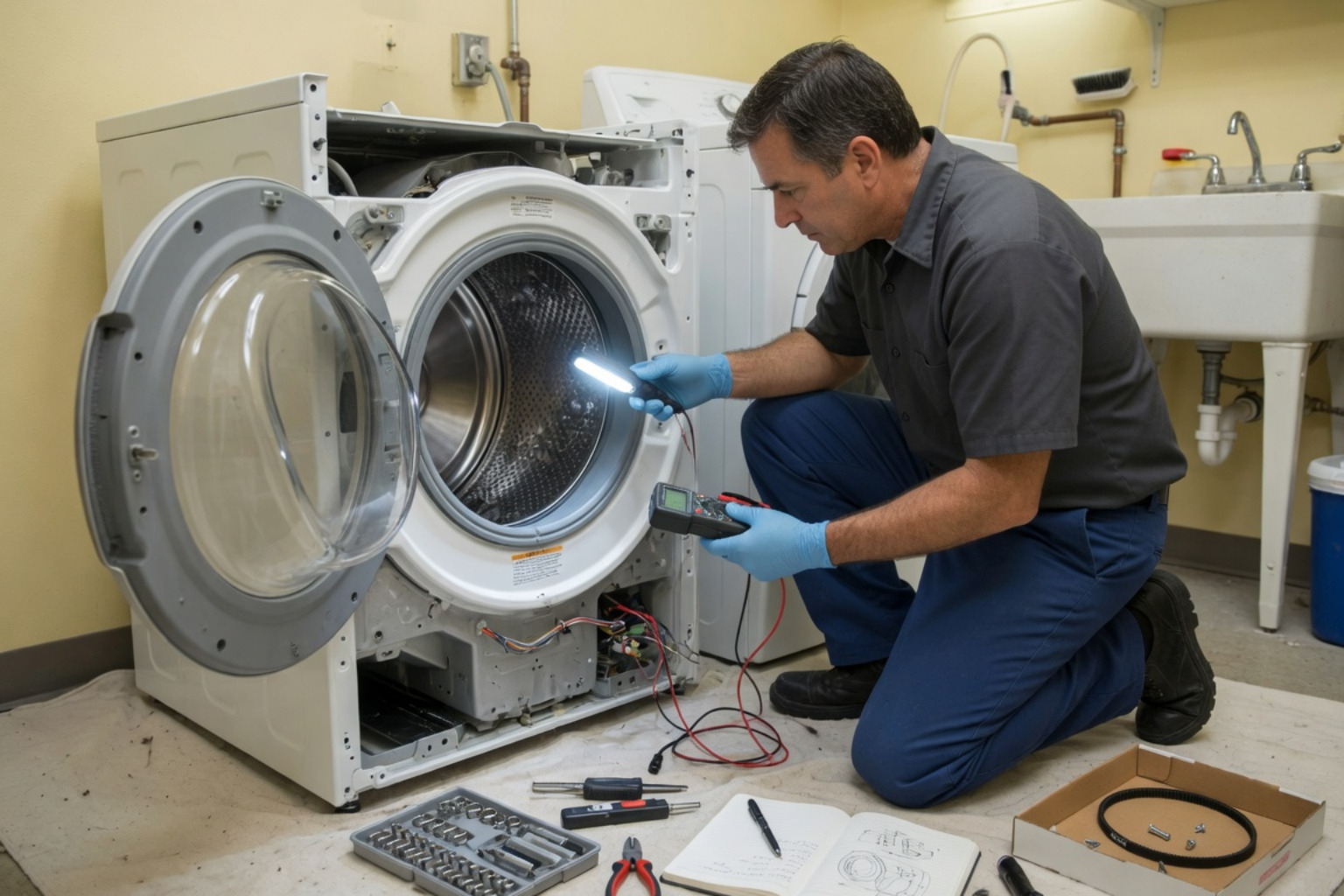
- Electrical and Control Board Failures: If your washer’s digital display is flashing error codes, cycling randomly, or refusing to power on despite having electricity, the main control board likely needs to be diagnosed with a multimeter and replaced.
- Motor and Drive System Issues: Replacing drive belts, drive pulleys, or failed motors requires precise calibration and specialized tools.
- Internal Component Disassembly: Replacing tub bearings, suspension rods, or the inner drum requires dismantling almost the entire washing machine.
- Climate-Related Wear and Tear: Here in North Carolina, high humidity levels can accelerate the deterioration of rubber hoses, seals, and electrical wiring. Understanding North Carolina climate impacts on home appliances highlights why professional sealing and moisture-resistant repairs are so vital to keeping your washer running smoothly for years to come.
The Cost and Lifespan of Modern Laundry Appliances
A common dilemma homeowners face is deciding whether to repair an aging washing machine or invest in a brand-new model.

On average, a modern washing machine has a lifespan of 10 to 12 years. If your washer is less than 8 years old, investing in a repair is almost always the smartest financial move. A professional repair typically costs a fraction of the price of a new unit, immediately extending the life of your appliance by five or more years.
Choosing repair over replacement is also the more environmentally friendly decision. Fixing your washer keeps heavy metal, plastic, and electronic components out of local North Carolina landfills, reducing your overall environmental footprint.
If you are located in Wake County and are trying to weigh your options, securing a professional diagnostic is the best place to start. For reliable local assistance, you can book an expert evaluation through our team for appliance repair in Raleigh, NC.
Average Costs and Timeframes for Service
To help you budget for your repair, here is what you can typically expect regarding costs and timeframes in the local market:
- Diagnostic Fees: Most reputable local repair companies charge a diagnostic fee (typically ranging from $70 to $90) to cover the technician’s travel and professional assessment. At iFix Appliances, we provide upfront pricing and credit this diagnostic fee directly toward the final cost of your repair if you choose to proceed with us.
- Repair Costs: Depending on the brand and the complexity of the issue, standard washer repairs generally range from $150 to $400. Minor repairs like replacing a drain pump or a lid switch sit on the lower end of this scale, while complex jobs like replacing a main control board or tub bearings sit on the higher end.
- Timeframes: We know that a broken washer is an emergency. That is why we prioritize same-day or next-day service appointments. Once our technician diagnoses the issue, most repairs are completed in under an hour, as we carry a wide inventory of common replacement parts directly in our service vehicles.
If you are located just outside the capital, we also provide fast, dependable service for appliance repair in Cary, NC, ensuring your household gets back on track without delay.
How to Find Reliable Local Washer Repair in 3 Easy Steps
Finding a technician you can trust shouldn’t feel like a gamble. By following these three straightforward steps, you can confidently select a repair service that is safe, reliable, and highly qualified.
To explore more detailed articles on keeping your laundry room running smoothly, check out our comprehensive washer repair category.
Step 1: Research Local Service Providers
The first step is to compile a shortlist of local appliance repair companies that service your exact neighborhood.
- Check Verified Online Reviews: Look for companies with strong local ratings and read recent customer feedback. Pay attention to comments regarding punctuality, clean work habits, and clear communication.
- Verify Licensing and Insurance: Never allow an uninsured technician into your home. A professional appliance repair company should be fully licensed to operate in North Carolina and carry comprehensive general liability insurance to protect your property.
- Confirm Local Coverage: Make sure the provider actively services your specific community. For example, if you live in the northern or western parts of the Triangle, ensure they regularly perform appliance repair in Durham, NC or provide prompt appliance repair in Apex, NC.
Step 2: Ask the Right Questions Before Booking
Before you officially schedule an appointment, call or message the provider to clarify their policies. Asking these three questions will help you avoid hidden fees and ensure a high-quality repair:
- “Do you offer a warranty on your parts and labor?”
A trustworthy company stands behind its work. Look for a warranty of at least 90 days on parts and 30 days on labor. At iFix Appliances, we back our repairs with robust warranty coverage to give you complete peace of mind. - “Do you use original equipment manufacturer (OEM) parts?”
Cheap, third-party aftermarket parts often fail prematurely and can void your washer’s manufacturer warranty. Always demand genuine OEM parts designed specifically for your brand (such as Whirlpool, LG, Samsung, or GE). - “Is your pricing upfront and transparent?”
Ensure there are no hidden trip fees, fuel surcharges, or hourly rate surprises. You should receive a clear, written estimate before any repair work begins.
Whether you need general help or specific appliance repair in Garner, NC, getting these answers upfront ensures a seamless experience. If you own a GE model, seeking specialized GE appliance repair in Fuquay Varina, NC guarantees that your technician has brand-specific training and carrying the exact parts your machine requires.
What to Expect During Your Washer Repair Appointment
Knowing what happens during a professional service call can help you prepare and feel comfortable with the process:
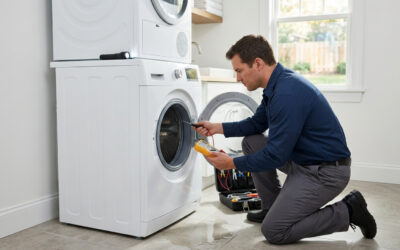
- Step 1: The Diagnostic: The technician will arrive in uniform, inspect your washing machine, run test cycles, and use diagnostic tools to pinpoint the exact failure.
- Step 2: The Upfront Estimate: Before touching any parts, the technician will present you with a clear, itemized quote explaining the repair plan, parts needed, and final cost.
- Step 3: The Repair: If you approve, the technician will protect your flooring, perform the repair using specialized tools, and replace the faulty components with brand-new OEM parts.
- Step 4: Testing and Cleanup: Once completed, the technician will run a test cycle to verify the leak is sealed or the spin cycle is quiet, clean up the workspace, and leave your laundry room exactly as they found it.
For a complete breakdown of what to expect, check out our detailed Raleigh washing machine repair guide.
Frequently Asked Questions About Washing Machines
Why is my washing machine not spinning or draining?
This is the most common issue homeowners face. If your washer won’t spin or drain, it is usually caused by a clogged drain pump filter (which stops the water from escaping), a broken drive belt (which prevents the drum from spinning), or a faulty lid switch/door lock. Modern washers will not spin if the machine detects the door is not safely locked.
Is it worth repairing a 10-year-old washing machine?
It depends on the cost of the repair. If the repair is simple (like a new drain pump or lid switch) and costs under $200, it is often worth fixing to get another year or two out of the machine. However, if the main control board or tub bearings have failed on a 10-year-old machine, the repair cost may approach the price of a new unit. In that case, replacing it with a more energy-efficient model is usually the better choice.
How can I prevent my washer from leaking?
To prevent unexpected water damage, follow these three simple maintenance habits:
- Inspect the inlet hoses once a year for cracks, blisters, or corrosion, and replace them every 5 years.
- Use the correct amount of HE (High-Efficiency) detergent. Excess suds can overflow out of the back of the machine.
- Ensure the washer is perfectly level. A walking or violently shaking washer can loosen internal water connections over time.
Conclusion
A broken washing machine doesn’t have to ruin your week. By understanding the common signs of trouble, knowing when to call in the experts, and following our three simple steps to find a reliable local service provider, you can get your laundry room back to normal with minimal stress.
At iFix Appliances, we are proud to be a local, family-owned appliance repair company serving families across Raleigh, Cary, Durham, Wake Forest, Chapel Hill, Fuquay-Varina, Apex, Garner, Holly Springs, Morrisville, and the greater Triangle area. We offer:
- Same-Day Diagnostics and Repairs to minimize household disruption
- Certified, Factory-Trained Technicians who service all major brands
- Upfront, Honest Pricing with no hidden fees
- Genuine OEM Parts backed by an outstanding warranty
Don’t let the laundry pile up any longer. Schedule your washer repair today and let our friendly, local experts handle the rest!

0 Comments